The German Flower Market: Supply Sources, Trends, Opportunities, and Challenges
 Overview of the German flower market and how to export flowers to Germany
Introduction
Germany is one of the largest flower markets in the world and the biggest importer of cut flowers in Europe. In 2023, Germany accounted for approximately 13.5% of global flower imports, making it a key destination for international exporters.
With strong consumer demand driven by gifting culture, home decoration, and events, the German market offers significant opportunities for reliable flower exporters.
📊 Market Size and Demand
The German cut flower market was valued at approximately $2.2 billion in 2025, with steady growth driven by consumer trends and increasing demand for floral products.
Germany also imported around $1.27 billion worth of cut flowers in 2023, confirming its position as a major global buyer.
Recent data shows:
- Rising import volumes and prices for roses
- Strong demand resilience despite inflation
👉 This indicates a healthy and expanding market, especially for high-quality suppliers.
🌍 Where Does Germany Source Its Flowers From?
🇳🇱 The Netherlands: The Dominant Hub
Germany sources the majority of its flowers via the Netherlands.
- Around 85% of Germany’s flower imports come from the Netherlands
Through systems like Royal FloraHolland, the Netherlands acts as:
- A trading hub
- A redistribution center
👉 Many flowers are not Dutch-grown but simply pass through this system.
🌍 Direct Production Countries
Behind the Dutch hub, the actual production is global.
🇰🇪 Kenya – A Key Supplier
Kenya is one of Germany’s main direct suppliers:
- Over $48 million in flower exports to Germany (2023)
Kenya is known for:
- Premium roses
- Year-round production
- Strong logistics
🇪🇹 Ethiopia – A Growing Player
Ethiopia is also increasing its presence:
- Supplies millions of dollars worth of flowers annually to Germany
Strengths:
- Competitive pricing
- Expanding production
🌎 Other Suppliers
Germany also imports from:
- Ecuador
- Colombia
- Italy
- Israel
👉 The supply chain is highly diversified but still heavily dependent on Dutch distribution.
📦 How the German Flower Market Works
The German market is structured across:
1. Wholesalers
- Often source through Dutch auctions
- Supply florists and retailers
2. Supermarkets
- Major sales channel
- Focus on affordability and volume
3. Florists
- Emphasize quality and design
- Important for premium segments
4. Direct Sourcing (Emerging Trend)
- Increasing number of buyers sourcing directly
- Reducing reliance on intermediaries
👉 This shift is creating new opportunities for exporters.
🚀 Opportunities in the German Market
1. Direct Trade is Growing
Traditionally, flowers go through the Netherlands, but:
👉 More German buyers are now:
- Looking for direct suppliers
- Building long-term partnerships
This allows exporters to:
- Increase margins
- Build client loyalty
2. Strong Demand for Quality
German buyers value:
- Consistency
- Freshness
- Reliability
👉 Premium roses and well-graded flowers perform especially well.
3. Large and Stable Market
Germany is:
- Europe’s largest importer
- A stable and predictable market
👉 Ideal for long-term export strategies.
4. Sustainability and Transparency
German consumers are increasingly concerned about:
- Environmental impact
- Ethical sourcing
👉 Exporters offering transparency gain a competitive advantage.
⚠️ Challenges in the German Flower Market
1. Strong Competition
Germany sources globally, creating competition from:
- Latin America (Colombia, Ecuador)
- Africa (Kenya, Ethiopia)
- European producers
2. Dependence on Dutch Auctions
The Dutch system remains dominant:
- Convenient for buyers
- Difficult for new exporters to bypass
3. Price Pressure
Supermarkets drive:
- Lower prices
- High volume expectations
4. Logistics Complexity
Flowers require:
- Strict cold chain
- Fast delivery
👉 Any disruption affects quality and trust.
🌿 A Market in Transition
The German flower market is evolving:
From:
Auction-based sourcing
To:
Direct relationships with exporters
And from:
Price-driven decisions
To:
Reliability, quality, and transparency
Lisa’s Flowers Export: A Strategic Partner for Germany
At Lisa’s Flowers Export, we are aligned with this transformation.
We provide direct access to premium flowers from Kenya and Ethiopia, helping German buyers move away from complex intermediary systems.
 Our Product Offering
We supply:
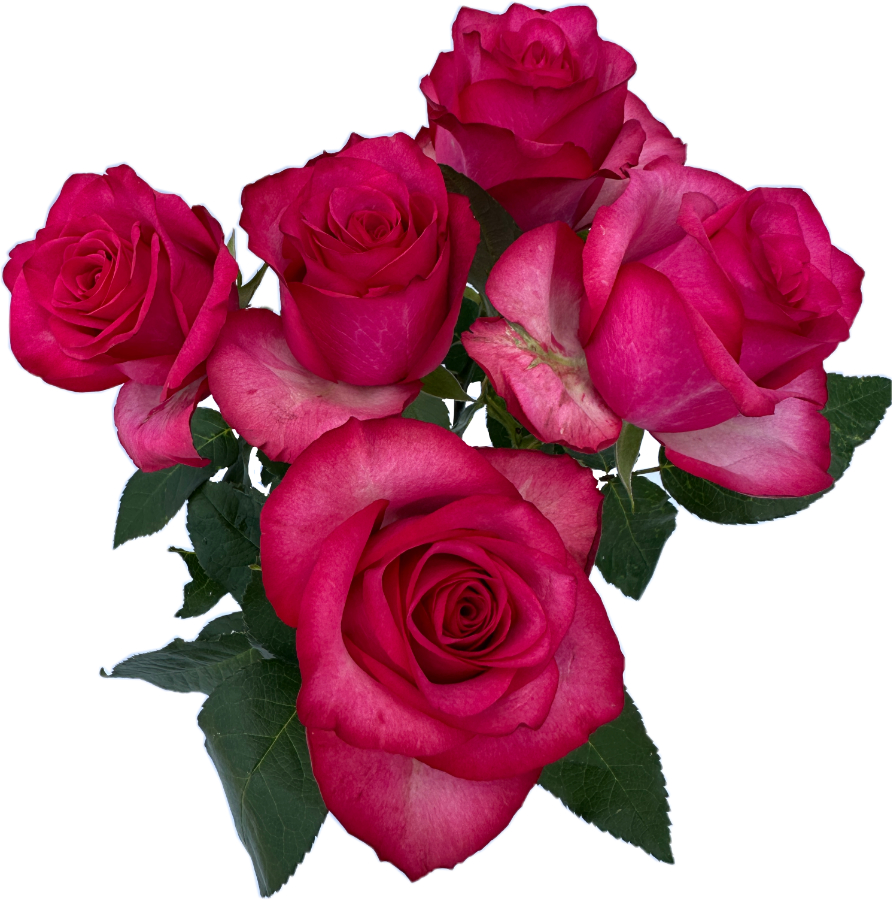
- Premium roses (various grades and stem lengths)
- Spray roses
- Seasonal flowers
- Customized selections
👉 Focused on quality, freshness, and consistency.
🌍 What We Offer to German Buyers
Direct Sourcing
- No unnecessary intermediaries
- Better control over quality
Reliable Supply
- Stable sourcing from Kenya and Ethiopia
- Consistent product standards
Transparent Partnership
- Clear communication
- Predictable quality
Alternative to Auctions
Instead of relying only on systems like Royal FloraHolland, we offer:
👉 A direct and simplified supply chain
👉 A long-term sourcing partner
📌 Conclusion
Germany remains one of the most important flower markets globally, offering strong demand and long-term opportunities.
While traditional supply chains still dominate, the future lies in:
- Direct sourcing
- Reliable partnerships
- Transparent supply chains
Exporters who position themselves as trusted partners rather than simple suppliers will have a clear advantage.
 Looking for a reliable flower supplier for Germany?
Lisa’s Flowers Export connects you directly with premium flowers from Kenya and Ethiopia—ensuring quality, consistency, and reliability.
Contact us directly here !