24. abril 2026

How to Import Flowers from Kenya & Ethiopia (Step-by-Step Guide)

Introduction

If you’re a florist, event planner, or flower importer, importing flowers from East Africa can significantly improve your business.

Countries like Kenya and Ethiopia are among the world’s leading producers of export-quality flowers.

👉 But if you’ve never imported before, the process can seem complex.

The reality?

👉 With the right partner and a clear process, importing flowers is straightforward and highly reliable.

🌍 Why Import Flowers from Kenya & Ethiopia?

Many professionals choose East Africa because it offers:

  • High-quality roses and flowers
  • Wide variety of colors and types
  • Strong stems and long vase life
  • Reliable year-round production

👉 This allows you to deliver better results and compete at a higher level.

🚀 Step 1: Define Your Flower Needs

Start with clarity.

You need to specify:

  • Flower types (roses, spray roses, fillers)
  • Colors
  • Stem lengths (40cm, 50cm, 60cm, etc.)
  • Quantities

👉 The more precise your order, the better your results.

🌸 Step 2: Choose the Right Supplier

This is the most critical decision.

A good supplier should:

  • Offer consistent quality
  • Provide flexible ordering (mixed boxes)
  • Understand export logistics
  • Communicate clearly

👉 Avoid rigid suppliers who only offer bulk and limited options.

📦 Step 3: Place Your Order

Once your requirements are clear, you confirm:

  • Flower varieties
  • Stem lengths
  • Quantities
  • Packaging (full boxes or mixed boxes)

👉 Many florists prefer mixed boxes to reduce waste and increase flexibility.

💰 Step 4: Understand Pricing – Kenya (FOB) vs Ethiopia (CNF)

One of the most important aspects of importing flowers is understanding pricing structures.

🇰🇪 Kenya – Mostly FOB (Free On Board)

Kenya

Flowers from Kenya are typically sold on an FOB (Free On Board) basis.

What this means:

  • The supplier delivers flowers to the airport (Nairobi)
  • You manage:
    • Air freight
    • Shipping costs
    • Logistics after departure

👉 Advantages:

  • Full control over shipping
  • Ability to optimize costs
  • Flexibility in logistics

👉 Challenges:

  • Requires more experience
  • You handle coordination

🇪🇹 Ethiopia – Mostly CNF / C&F (Cost & Freight)

Ethiopia

Flowers from Ethiopia are often sold on a CNF (Cost & Freight) basis.

What this means:

  • Air freight is included in the price
  • Flowers are delivered to your destination airport

👉 Advantages:

  • Simpler and more convenient
  • Ideal for first-time importers
  • Less logistics management

👉 Challenges:

  • Less control over freight pricing
  • Less flexibility

⚖️ Which One Should You Choose?

👉 It depends on your experience:

  • Choose FOB (Kenya) if you want control and cost optimization
  • Choose CNF (Ethiopia) if you want simplicity

👉 Many professionals combine both for the best results.

❄️ Step 5: Packing & Cold Chain Management

After your order is confirmed:

  • Flowers are harvested at the right stage
  • Graded and sorted
  • Packed into export boxes
  • Stored in temperature-controlled conditions

👉 This cold chain ensures freshness during transport.

✈️ Step 6: Air Freight & Transport

Flowers are shipped via air cargo from:

  • Nairobi (Kenya)
  • Addis Ababa (Ethiopia)

👉 Delivery time:

  • Typically 24–72 hours

📍 Step 7: Arrival & Handling

At arrival:

  • Flowers go through customs (if required)
  • Boxes are released to you or your agent

👉 A good supplier helps coordinate this process.

💧 Step 8: Conditioning the Flowers

Once received:

  • Unpack immediately
  • Cut stems
  • Place in clean water
  • Let flowers hydrate

👉 This step is essential for maximum vase life.

⚠️ Common Mistakes to Avoid

  • Ordering too late
  • Being unclear about specifications
  • Choosing the cheapest supplier
  • Ignoring logistics timing

👉 These are the main causes of failed orders.

🌸 A Reliable Partner: Lisa’s Flowers Export

Importing flowers becomes much easier when you work with the right partner.

Lisa’s Flowers Export supports florists, event planners, and importers by managing the entire sourcing process.

What we do:

  • Direct sourcing from Kenya & Ethiopia
  • Flexible orders (including mixed boxes)
  • Quality control before export
  • Guidance on FOB vs CNF
  • Logistics coordination
  • Clear and responsive communication

👉 We simplify the process so you can focus on your business.

📞 Contact Lisa’s Flowers Export

👉 Contact us to request a price list or discuss your first order.

📈 Final Thoughts

Importing flowers from Kenya and Ethiopia is one of the most effective ways to:

  • Improve quality
  • Expand your product range
  • Grow your business

👉 Once you understand the process—and pricing structures like FOB and CNF—it becomes simple and scalable.
🌸 How to Import Flowers from Kenya & Ethiopia (Step-by-Step Guide)

Introduction

If you’re a florist, event planner, or flower importer, importing flowers from East Africa can significantly improve your business.

Countries like Kenya and Ethiopia are among the world’s leading producers of export-quality flowers.

👉 But if you’ve never imported before, the process can seem complex.

The reality?

👉 With the right partner and a clear process, importing flowers is straightforward and highly reliable.

🌍 Why Import Flowers from Kenya & Ethiopia?

Many professionals choose East Africa because it offers:

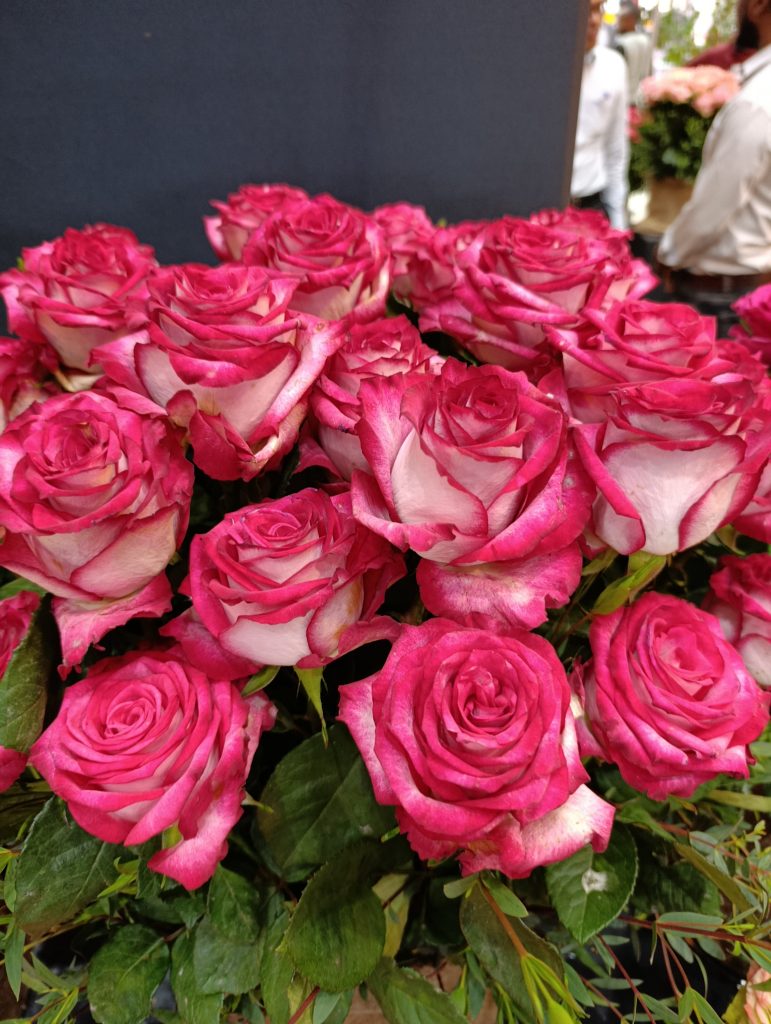
  • High-quality roses and flowers
  • Wide variety of colors and types
  • Strong stems and long vase life
  • Reliable year-round production

👉 This allows you to deliver better results and compete at a higher level.

🚀 Step 1: Define Your Flower Needs

Start with clarity.

You need to specify:

  • Flower types (roses, spray roses, fillers)
  • Colors
  • Stem lengths (40cm, 50cm, 60cm, etc.)
  • Quantities

👉 The more precise your order, the better your results.

🌸 Step 2: Choose the Right Supplier

This is the most critical decision.

A good supplier should:

  • Offer consistent quality
  • Provide flexible ordering (mixed boxes)
  • Understand export logistics
  • Communicate clearly

👉 Avoid rigid suppliers who only offer bulk and limited options.

📦 Step 3: Place Your Order

Once your requirements are clear, you confirm:

  • Flower varieties
  • Stem lengths
  • Quantities
  • Packaging (full boxes or mixed boxes)

👉 Many florists prefer mixed boxes to reduce waste and increase flexibility.

💰 Step 4: Understand Pricing – Kenya (FOB) vs Ethiopia (CNF)

One of the most important aspects of importing flowers is understanding pricing structures.

🇰🇪 Kenya – Mostly FOB (Free On Board)

Kenya

Flowers from Kenya are typically sold on an FOB (Free On Board) basis.

What this means:

  • The supplier delivers flowers to the airport (Nairobi)
  • You manage:
    • Air freight
    • Shipping costs
    • Logistics after departure

👉 Advantages:

  • Full control over shipping
  • Ability to optimize costs
  • Flexibility in logistics

👉 Challenges:

  • Requires more experience
  • You handle coordination

🇪🇹 Ethiopia – Mostly CNF / C&F (Cost & Freight)

Ethiopia

Flowers from Ethiopia are often sold on a CNF (Cost & Freight) basis.

What this means:

  • Air freight is included in the price
  • Flowers are delivered to your destination airport

👉 Advantages:

  • Simpler and more convenient
  • Ideal for first-time importers
  • Less logistics management

👉 Challenges:

  • Less control over freight pricing
  • Less flexibility

⚖️ Which One Should You Choose?

👉 It depends on your experience:

  • Choose FOB (Kenya) if you want control and cost optimization
  • Choose CNF (Ethiopia) if you want simplicity

👉 Many professionals combine both for the best results.

❄️ Step 5: Packing & Cold Chain Management

After your order is confirmed:

  • Flowers are harvested at the right stage
  • Graded and sorted
  • Packed into export boxes
  • Stored in temperature-controlled conditions

👉 This cold chain ensures freshness during transport.

✈️ Step 6: Air Freight & Transport

Flowers are shipped via air cargo from:

  • Nairobi (Kenya)
  • Addis Ababa (Ethiopia)

👉 Delivery time:

  • Typically 24–72 hours

📍 Step 7: Arrival & Handling

At arrival:

  • Flowers go through customs (if required)
  • Boxes are released to you or your agent

👉 A good supplier helps coordinate this process.

💧 Step 8: Conditioning the Flowers

Once received:

  • Unpack immediately
  • Cut stems
  • Place in clean water
  • Let flowers hydrate

👉 This step is essential for maximum vase life.

⚠️ Common Mistakes to Avoid

  • Ordering too late
  • Being unclear about specifications
  • Choosing the cheapest supplier
  • Ignoring logistics timing

👉 These are the main causes of failed orders.

🌸 A Reliable Partner: Lisa’s Flowers Export

Importing flowers becomes much easier when you work with the right partner.

Lisa’s Flowers Export supports florists, event planners, and importers by managing the entire sourcing process.

What we do:

  • Direct sourcing from Kenya & Ethiopia
  • Flexible orders (including mixed boxes)
  • Quality control before export
  • Guidance on FOB vs CNF
  • Logistics coordination
  • Clear and responsive communication

👉 We simplify the process so you can focus on your business.

📞 Contact Lisa’s Flowers Export

👉 Contact us to request a price list or discuss your first order.

📈 Final Thoughts

Importing flowers from Kenya and Ethiopia is one of the most effective ways to:

  • Improve quality
  • Expand your product range
  • Grow your business

👉 Once you understand the process—and pricing structures like FOB and CNF—it becomes simple and scalable.

Home Page

Volver

Deja una respuesta

Tu dirección de correo electrónico no será publicada. Los campos obligatorios están marcados con *

Este campo es obligatorio

Este campo es obligatorio

Este campo es obligatorio

Se ha producido un error al enviar tu mensaje. Por favor, inténtalo de nuevo.

Comprobación de seguridad

Código captcha inválido. Inténtalo de nuevo.

Lisa's Flowers Export, all rights reserved

Information icon

Necesitamos su consentimiento para cargar las traducciones

Utilizamos un servicio de terceros para traducir el contenido del sitio web que puede recopilar datos sobre su actividad. Por favor revise los detalles en la política de privacidad y acepte el servicio para ver las traducciones.